A wedding invitation is the first glimpse guests get of your celebration. Before they see the venue, the decorations or the couple in their finery, they hold a card or open a WhatsApp message that sets the tone. A thoughtful invitation communicates the essential details clearly, reflects the families and traditions involved, and becomes a keepsake that many households save for years. This guide walks you through current design trends, wording that works for Kerala weddings, printing choices and a realistic timeline.
Start with the essentials: what every invitation must say
Before thinking about colours and gold foil, gather the information. Most last-minute reprints happen because a detail was missing or wrong, not because of a design choice.
- Full names of the bride and groom, spelled exactly as the families want them, in every language used.
- Names of parents and, where customary, grandparents or the family house name.
- Date, day of the week and time, including muhurtham or nikah time if relevant.
- Venue name and full address with a well-known landmark.
- Separate details for related functions: engagement, mehendi, haldi, reception or a feast at the family home.
- Contact numbers for the families, ideally ones that are on WhatsApp.
- A map link or QR code for the venue location.
- Any notes on dress code, gifts or RSVP, if the families want to include them.
Wedding invitation design trends worth knowing
Trends should serve your taste, not dictate it. Here are the directions we see couples and families choosing most often, with notes on when each works best.
Modern minimalism
Clean layouts, generous white space, a refined serif or elegant script for the names and a restrained colour palette. Minimal cards feel premium and age well. They suit couples who want a contemporary look, and they pair beautifully with a single special finish such as foil or embossing.
Bilingual Malayalam and English cards
Many Kerala families want one side in Malayalam for elders and relatives, and one in English for friends, colleagues and guests from outside the state. Good bilingual design treats both languages with equal care: matching hierarchy, harmonious fonts and consistent spacing. Malayalam text usually needs a little more line height, so planning the layout around both languages from the start avoids a cramped second side.
Traditional Kerala motifs, reinterpreted
Kasavu-inspired gold borders, nilavilakku illustrations, temple architecture, Kerala mural-style artwork, coconut palms and backwaters remain popular, now often drawn in a lighter, more graphic style. Used thoughtfully, these elements give a card a strong sense of place without feeling dated.
Arabic and Malayalam calligraphy
For many Muslim weddings, a calligraphic Bismillah or a decorative rendering of the couple’s names becomes the centrepiece of the card. Custom calligraphy is personal and distinctive, and it is worth giving it space rather than surrounding it with clutter. The same principle applies to Malayalam lettering, which can look striking when drawn as a feature rather than typed in a standard font.
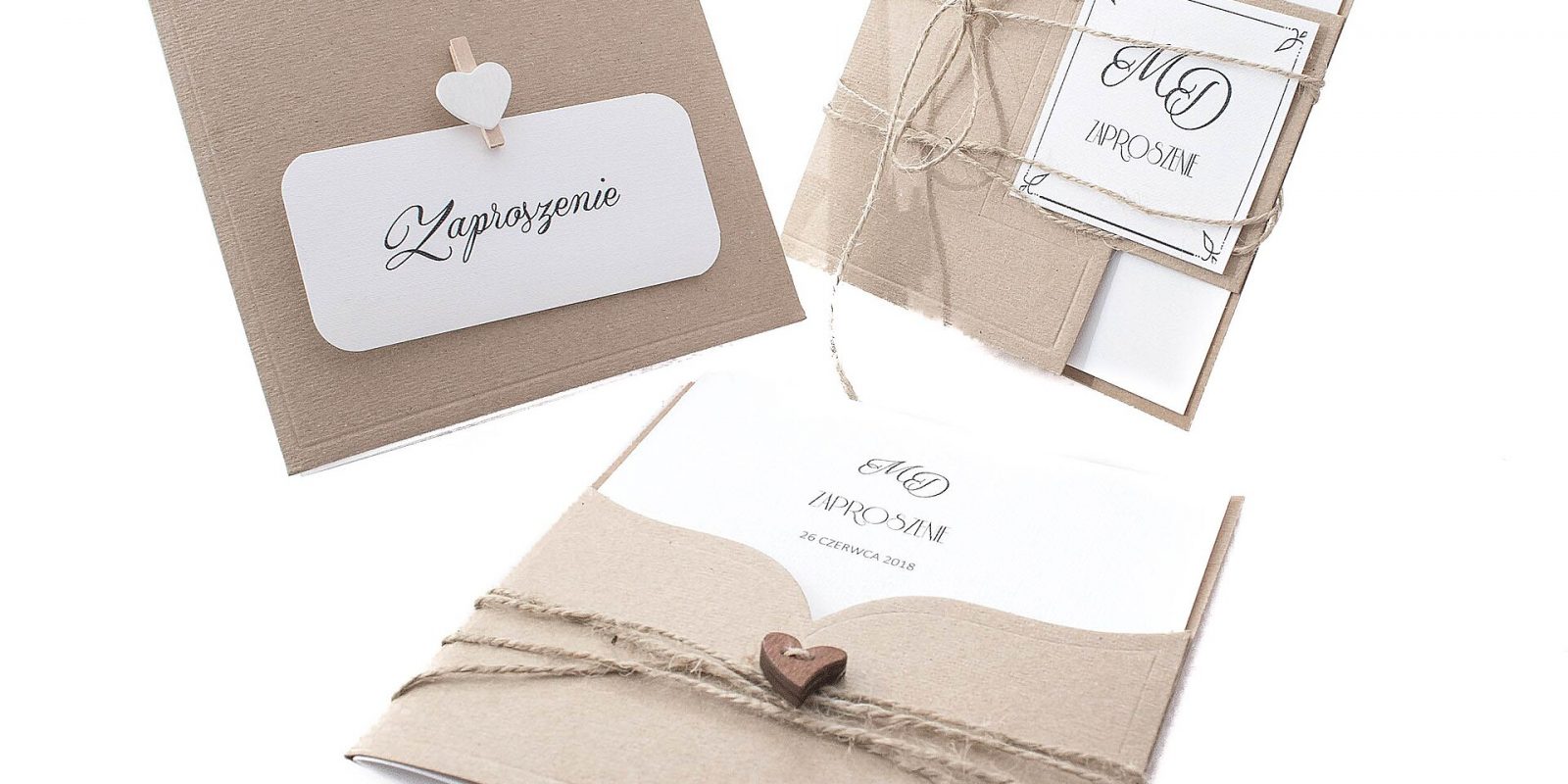
Monograms and couple crests
A simple monogram combining the couple’s initials can appear on the invitation, envelope seal, stage backdrop, welcome board and return gifts, tying the whole celebration together. It is a small branding exercise for the wedding.
Botanicals and soft colour palettes
Watercolour florals, jasmine, lotus and leaf patterns in muted greens, ivory, blush and maroon continue to be popular, especially for receptions and Christian weddings with a lighter aesthetic.
Digital invitations alongside print
Most families now send a digital version on WhatsApp in addition to, or instead of, a printed card for some guests. This can be a static image designed for phone screens, a short animated video invitation, or a simple wedding page with the map and schedule. Our video editing team can turn your invitation design into a short video invite that matches the printed card.
Wording that works: templates you can adapt
Wording varies widely by community and family, and elders often have firm preferences. Use these structures as starting points, then adapt them with your family.
A formal family-hosted invitation
[Optional invocation or blessing]
Mr. [Father’s name] and Mrs. [Mother’s name], [House name], [Place]
request the pleasure of your presence with family
at the marriage of their daughter
[Bride’s name]
with
[Groom’s name]
son of Mr. [Name] and Mrs. [Name], [House name], [Place]
on [Day], [Date] at [Time]
at [Venue], [Address]
A warmer, couple-led invitation
Together with our families,
[Bride’s name] and [Groom’s name]
invite you to celebrate our wedding
on [Day], [Date], [Time]
[Venue], [Place]
Your blessings and presence will make our day complete.
Wording tips
- Agree on the exact spelling of every name in both Malayalam and English before design begins.
- Decide whose names appear and in what order; this is often the most sensitive conversation.
- Keep sentences short. Guests skim for the date, time and venue.
- If the reception is separate, give it its own clearly labelled section or insert card.
- Write times in a consistent format and specify AM or PM.
Tip: show the draft to the elders early. Share the wording, not the full design, with parents and senior relatives first. Once the family approves the text, the design stage moves much faster and you avoid expensive changes after printing.
Choosing colours, fonts and layout
Once the wording is settled, the design decisions become much easier because you know exactly how much text the card must hold.
Colour
Start from the feeling you want: ivory and gold feel classic and auspicious, maroon and gold feel rich and traditional, deep green or navy with gold feel regal, and pastels feel light and modern. Many couples echo their wedding attire or stage décor colours so the card, venue and photographs feel connected. Keep text colours dark enough to read easily, especially for elderly guests.
Typography
Use no more than two or three typefaces: a decorative script or display face for the couple’s names, and a clear, readable font for the details. In Malayalam, choose a well-made Unicode font and avoid stretching or squeezing letters to fit a space. Never sacrifice the legibility of the date, time and venue for decoration.
Layout and hierarchy
The couple’s names should be the first thing the eye lands on, followed by the date and venue. Group related information together, leave breathing room around the edges, and remember that the card will also be photographed and shared, so it should look good on a phone screen too.
Printing guide: paper, size and finishes
The print stage is where a good design becomes a beautiful object, or where a rushed decision lets it down. Here is what to discuss with your designer and printer. Dzone Ads handles both design and printing works, which keeps colours and finishes consistent from screen to card.
| Option | What it is | Best for | Things to consider |
|---|---|---|---|
| Heavy matte or textured board | Thick, uncoated or textured card stock | Minimal and premium cards | Colours print slightly softer than on glossy stock |
| Metallic or pearl paper | Paper with a subtle shimmer | Festive, traditional designs | Test how fine text and photos look on it |
| Foil stamping | Gold, silver or rose-gold foil pressed onto paper | Names, borders, monograms | Very fine lines may not hold; needs separate artwork |
| Embossing or debossing | Raised or pressed-in areas | Monograms, motifs, tactile luxury | Works best on thicker stock; adds cost and time |
| Spot UV | Glossy coating on selected areas | Highlights on dark or matte cards | Use sparingly for elegance |
| Laser cutting | Intricate cut-out patterns | Jaali-style covers, pockets | Fragile; needs careful packing and handling |
| Seed or recycled paper | Eco-friendly stocks | Couples prioritising sustainability | Limited colour accuracy and finish options |
How many cards to order
Count households, not individual guests, because one card usually goes to a family. Add a buffer of around 10 percent for forgotten names, keepsakes and spoiling. Reprinting a small quantity later is almost always more expensive per card than ordering a little extra up front.
Envelopes, inserts and packaging
Plan envelopes at the same time as the card so sizes match. Inserts for the reception, mehendi or a route map keep the main card uncluttered. If cards will be delivered by hand to many houses, choose a robust format that survives being carried in bags and vehicles.
A realistic wedding invitation timeline
Wedding season in Kerala gets busy for designers and printers, so starting early protects you from rushed proofs and courier delays.
| Time before the wedding | What to do |
|---|---|
| 12–16 weeks | Fix date and venue, collect names and details, choose a style direction |
| 10–12 weeks | Send a Save the Date to outstation and overseas guests, including Gulf-based relatives |
| 8–10 weeks | Finalise wording with the families and approve design concepts |
| 6–8 weeks | Approve final proofs and printed sample, then print |
| 4–6 weeks | Distribute printed cards and send digital versions |
| 1–2 weeks | Send WhatsApp reminders with the map location |
The proofreading checklist before you approve
Read the final proof slowly, ideally on paper and with at least two people from different families.
- Every name is spelled correctly in each language, including initials and house names.
- The date matches the day of the week, and times include AM or PM.
- Venue name, address and landmark are accurate; the QR code or map link opens the right location.
- Phone numbers are correct and active.
- Malayalam text has no broken characters or wrong conjuncts.
- Colours on the printed sample are acceptable, since screens and paper differ.
- Envelope size, inserts and quantities are confirmed in writing.
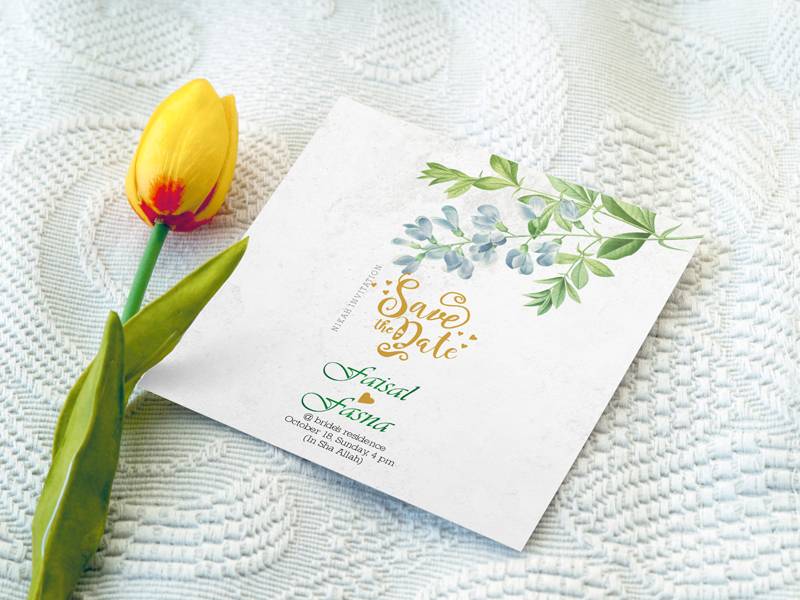
For inspiration, browse our portfolio, which includes a Save the Date invitation among our print projects, or explore our wedding invitation design service to see what is included.
Key takeaways
- Collect and confirm all names, dates, times and venue details before design starts.
- Popular directions include minimal layouts, bilingual Malayalam and English cards, Kerala motifs, calligraphy and monograms.
- Agree wording with the elders first; it prevents costly changes later.
- Paper and finishes such as foil, embossing and spot UV shape how premium a card feels; always check a printed sample.
- Order by household with a small buffer, and plan envelopes and inserts at the same time.
- Start 12 to 16 weeks ahead, especially during busy wedding seasons.
Frequently Asked Questions
Should we send printed cards or digital invitations?
Many families do both. Printed cards remain important for elders, close relatives and formal invitations delivered in person, while digital versions on WhatsApp are practical for friends, colleagues and guests abroad. Designing both together keeps them consistent.
Can the invitation be in both Malayalam and English?
Yes, and it is very common. The designer plans the layout so both languages have equal importance, using fonts that work well together and enough spacing for Malayalam script.
How long does wedding card design and printing take?
Allow several weeks for design, revisions and family approvals, plus time for printing and special finishes. Foil, embossing and laser cutting add production time, so start early during busy seasons.
What is a Save the Date and do we need one?
A Save the Date is an early, simple announcement of the wedding date, sent before the full invitation. It is especially useful for guests who need to arrange travel or leave, such as relatives working in the Gulf.
Can we add a QR code to the wedding card?
Yes. A QR code linking to the venue location on Google Maps, or to a digital invitation, is a practical addition. Test it with several phones before printing.
Planning a wedding and want an invitation your guests will remember? Share your date, style ideas and family details with us, and we will design and print a card that feels truly yours. Get a quote from Dzone Ads.