
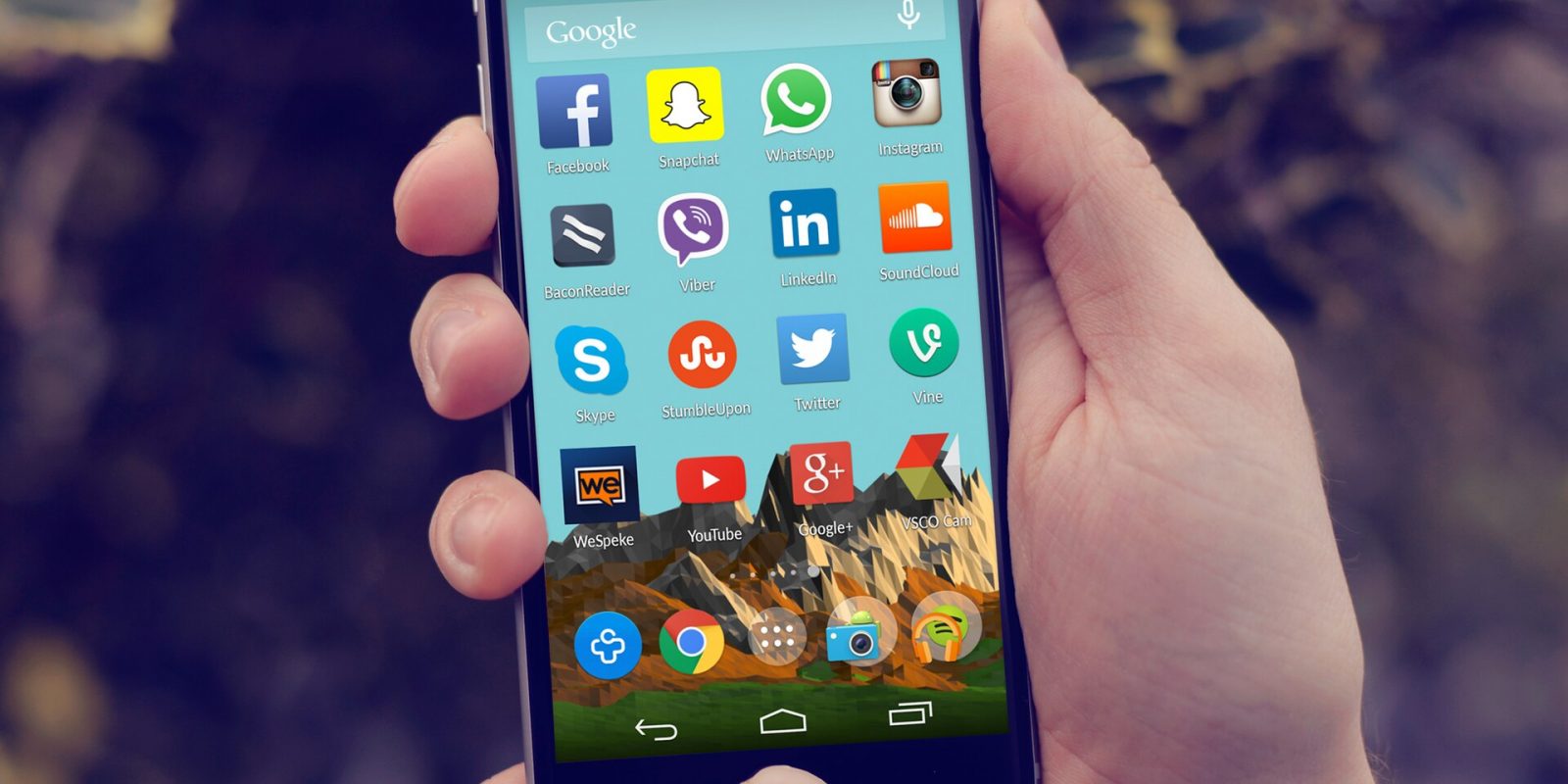
Almost every local business today has a Facebook page or an Instagram account. Far fewer have a social media strategy. The difference shows: one shop posts randomly, boosts a post when sales are slow and wonders why nothing happens; another posts with purpose, targets the right neighbourhoods and turns followers into regular customers. The good news is that you do not need a huge budget to be the second kind of business. You need a clear plan. This step-by-step guide shows local businesses how to approach social media promotion strategically — from setting goals to measuring results.
Why Social Media Works So Well for Local Businesses
For a local shop, clinic, restaurant or training centre, social media is not about going viral across the world. It is about being visible and trusted within a few kilometres of your location — and among people from your area living elsewhere, such as family members in the Gulf who often influence purchases back home. Platforms like Facebook and Instagram let you target people by location, age and interests, so even a small budget can reach exactly the people who can walk into your shop.
- Reach customers in specific towns, pin codes or a radius around your shop.
- Show your products, offers and behind-the-scenes work visually.
- Start conversations directly through Messenger, Instagram DMs and WhatsApp.
- Build trust through consistent posting and genuine customer interactions.
- Test offers quickly and learn what your audience responds to.
Step 1: Set Clear, Measurable Goals
“Get more followers” is not a business goal. Followers are only useful if they turn into enquiries, visits or sales. Before you post or spend a rupee on ads, decide what success looks like over the next three months. Good goals for local businesses include:
- Increase WhatsApp enquiries from social media by a target number per week.
- Drive footfall for a specific offer — for example, an Onam or Eid collection.
- Get bookings for a new service, course batch or event.
- Build awareness in a new area where you have opened a branch.
Write your goal down, along with how you will measure it. This keeps your content and ad spend focused.
Step 2: Know Your Local Audience
Describe your ideal customers as specifically as you can. Where do they live? What age group are they? Do they prefer Malayalam, English or both? Are they parents, students, young couples planning a wedding, or business owners? What problems do they want solved, and when do they usually buy?
A bridal store, for example, will find its audience is planning months ahead of wedding dates and is highly active during the wedding season. A tuition centre’s audience is parents, who pay attention around exam results and new academic years. Understanding this rhythm shapes everything that follows.
Step 3: Choose the Right Platforms
You do not need to be everywhere. It is better to do two platforms well than five badly. Use this comparison to decide where to focus.
| Platform | Strengths for local business | Best content | Good for |
|---|---|---|---|
| Broad age range, detailed local ad targeting, groups and events | Offers, events, photo albums, videos | Retail, services, institutions, events | |
| Visual discovery, Reels reach, younger audiences | Reels, carousels, Stories, product photos | Fashion, food, beauty, design, lifestyle | |
| YouTube | Long-term discoverability, search, Shorts | How-to videos, tours, testimonials (genuine), Shorts | Education, real estate, automobiles, tutorials |
| WhatsApp Business | Direct, personal, high open rates | Catalogues, Status updates, broadcast offers | Almost every local business |
Most Kerala businesses benefit from a combination of Instagram and Facebook (managed together through Meta’s tools), supported by WhatsApp Business for conversations. YouTube becomes valuable once you can produce regular videos.
Step 4: Set Up Your Profiles Properly
Your profile is your shop front on social media. Before promoting anything, make sure it is complete and consistent:
- Use your logo as the profile picture, sized so it is clear in a small circle.
- Write a short bio saying what you do, where you are and how to contact you.
- Add your phone, WhatsApp, address, opening hours and website link.
- Use the same business name and handle across platforms where possible.
- Design a cover image that reflects your brand and current focus.
- Set up a WhatsApp Business profile with a catalogue and quick replies.
Step 5: Plan Content That People Actually Want
The biggest mistake local businesses make is posting only advertisements. People follow pages that inform, inspire or entertain them. A healthy content mix might look like this:
- Educational (around 30–40%) — tips, how-tos, answers to common customer questions.
- Behind the scenes (around 20%) — your team at work, new stock arriving, the making of a product.
- Social proof (around 15%) — real customer photos, reviews and finished projects, shared with permission.
- Promotional (around 20–30%) — offers, new arrivals, events, calls to action.
These ratios are a starting guide, not a rule. Adjust based on what your audience responds to.
Plan Around Local Festivals and Seasons
In Kerala, the calendar gives you natural content moments: Vishu, Ramadan and Eid, Onam, Christmas, New Year, school reopening, exam results and the wedding season. Plan festival creatives two to four weeks ahead so they are ready on time. Greeting posts are fine, but greetings combined with a relevant offer or useful information perform far better than a generic “Happy Onam” image.
Use Bilingual Content Wisely
Malayalam captions and creatives often feel more personal and connect strongly with local audiences, while English helps reach a wider and younger crowd. Many businesses mix both — a Malayalam headline on the poster and a bilingual caption. Our Malayalam poster for the CITY bridal store is one example of designing directly for a local-language audience.

Prioritise Short Video
Reels and Shorts typically reach more people than static images. You do not need expensive equipment — a modern smartphone, good light and steady hands go a long way. Professional video editing can then turn raw clips into polished, branded short videos. For static posts, well-designed creatives with clear text and strong visuals still matter; our poster design work follows the same principles.
Step 6: Post Consistently with a Simple Calendar
Consistency beats intensity. Posting three times a week, every week, is far better than posting daily for a fortnight and then disappearing. Create a simple monthly content calendar in a spreadsheet with columns for date, platform, format, topic, caption and status. Batch-create content once a week to save time.
Tip: Reply to every comment and message as quickly as you can, ideally within the same day. On social media, responsiveness is part of your customer service. A quick, friendly WhatsApp reply often converts an enquiry that would otherwise go to a competitor.
Step 7: Use Paid Promotion Strategically
Organic reach on social platforms is limited, so paid promotion is usually necessary for meaningful growth. But there is a big difference between clicking “Boost Post” randomly and running a planned campaign.
Location-Based Targeting
For local businesses, location targeting is the most powerful feature. You can target people living in or recently in specific towns, or within a radius of your shop. A restaurant in Malappuram, for example, does not need to pay for impressions in Thiruvananthapuram. Narrow, relevant targeting usually delivers better results from a smaller budget.
Choose the Right Campaign Objective
- Awareness — for new shops, branches or brand launches.
- Engagement — to build an active audience around content.
- Messages — to get WhatsApp, Messenger or Instagram DM enquiries directly.
- Traffic or leads — to send people to your website or an enquiry form.
Test Small, Then Scale
Start with a modest daily budget, test two or three creatives and audiences, and let them run long enough to gather useful data. Keep what works, pause what does not, and then increase the budget on winners. Strong ads usually share a clear offer, an eye-catching first second of video, and a simple call to action.
Step 8: Measure, Learn and Improve
Check your insights at least once a month. Focus on metrics connected to your goal rather than vanity numbers:
- Reach and impressions — are the right people seeing your content?
- Engagement rate — are they interacting with it?
- Messages and enquiries — is it starting conversations?
- Cost per result — how much are you paying per message, lead or click?
- Offline results — ask new customers how they found you.
Statistical analysis of your campaigns does not need to be complicated. A simple monthly review — what worked, what did not, what to try next — will steadily improve your results.
When to Get Professional Help
Many owners start by managing social media themselves, which is a great way to learn. As your business grows, the time needed for planning, design, video editing, ad management and reporting adds up. A professional team can bring consistency, better creative quality and experience with targeting. At Dzone Ads, our social media promotion service covers Facebook, Instagram and YouTube ads, location-based campaigns and free ad boosting guidance, with plans starting from ₹6,999 per month — the final quote depends on scope. See the pricing page for an overview.
Key takeaways
- Start with a measurable business goal, not follower counts.
- Focus on two platforms you can manage well, supported by WhatsApp Business.
- Mix educational, behind-the-scenes, social proof and promotional content.
- Plan around Kerala’s festival and wedding seasons, and use Malayalam where it connects.
- Use location-based targeting and test small budgets before scaling.
- Review results monthly and respond to every message quickly.
Frequently Asked Questions
How often should a local business post on social media?
Three to five quality posts per week, plus regular Stories, is a realistic target for most small businesses. Consistency matters more than volume — choose a frequency you can maintain every week.
How much should I spend on social media ads?
There is no fixed number. Start with a small daily budget you are comfortable testing, measure the cost per enquiry or sale, and increase spending on campaigns that deliver results. Local targeting helps small budgets go further.
Is boosting a post the same as running an ad campaign?
Boosting is a simplified form of advertising. It is quick, but it offers fewer options for objectives, placements and targeting than a campaign set up in Meta’s ads tools. For serious results, a planned campaign usually performs better.
Should I post in Malayalam or English?
Use the language your customers are most comfortable with. Many Kerala businesses mix both — Malayalam for warmth and local connection, English for wider reach. Test both and watch which performs better with your audience.
How long before social media promotion shows results?
Paid campaigns can start bringing enquiries within days. Building an engaged organic audience takes longer, usually several months of consistent posting. Combining both gives you short-term results and long-term growth.
Want a social media plan built around your business, your area and your budget? Contact Dzone Ads on WhatsApp or by email and let’s talk about how to reach more local customers.